

La Fée Verte
Once the drink of poets, painters, and Parisian dreamers, absinthe has spent centuries shrouded in mystery. Behind the legend of the Green Fairy lies one of France's most fascinating spirits.

Absinthe, or La Fée Verte (The Green Fairy)
From Belle Époque cafés to modern cocktail bars, absinthe remains one of France’s most iconic and misunderstood spirits. Equal parts history, ritual, and myth, its story is as captivating as the drink itself.
This highly alcoholic, anise-flavored spirit is traditionally made from grand wormwood (Artemisia absinthium), green anise, sweet fennel, and a blend of other herbs. French absinthe traces its legacy to the cafés and artists of 19th-century France. But how did it all begin?
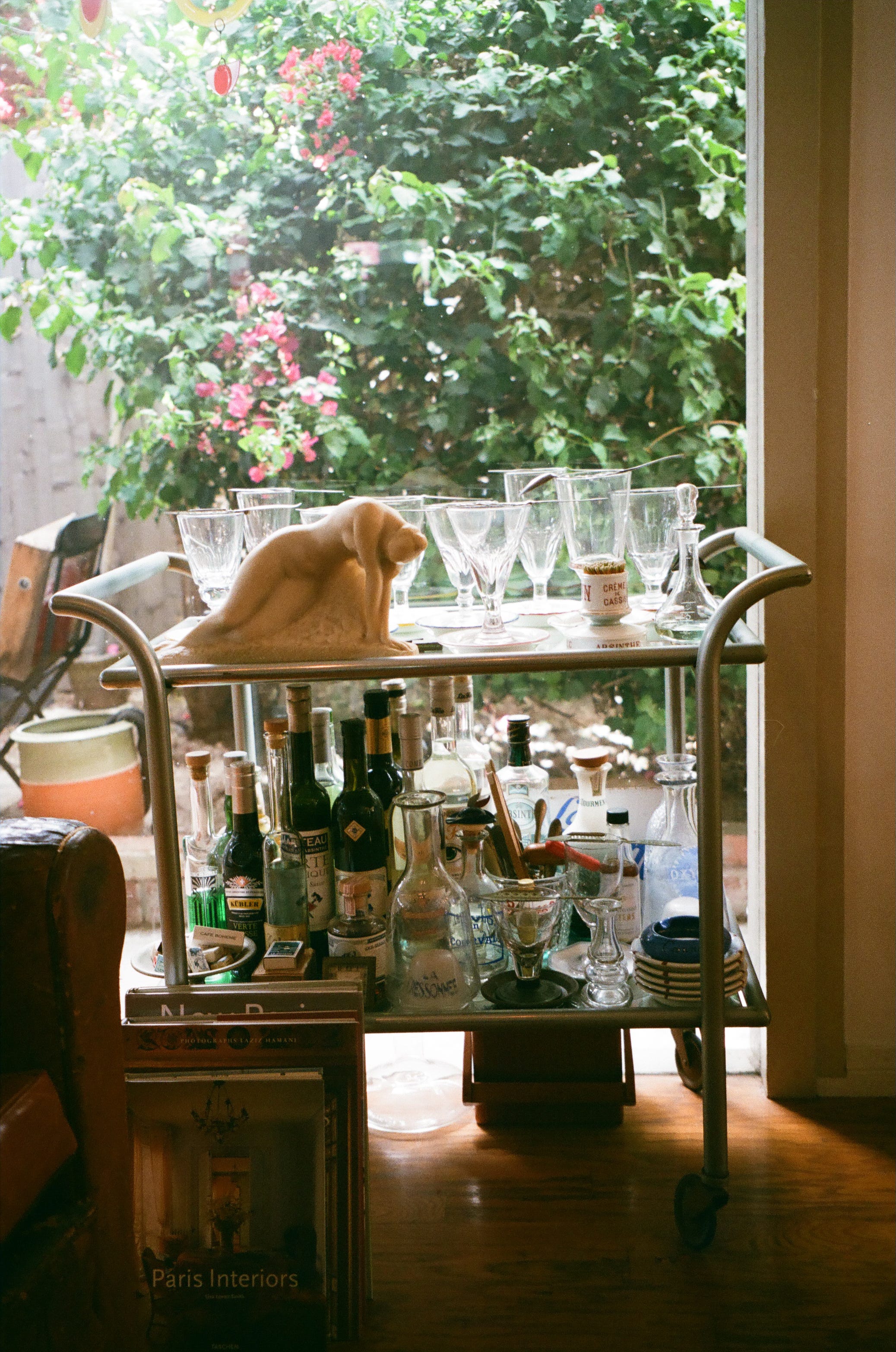
Absinthe was first developed in Switzerland in 1792 by French physician Pierre Ordinaire. Although its origins were Swiss, the spirit became closely associated with France and gained widespread popularity after Henri-Louis Pernod established the first commercial absinthe distillery in Pontarlier in 1805.
Absinthe became immensely popular throughout Europe before being banned in the United States in 1912 and in several European countries due to concerns about its alleged dangerous and hallucinogenic effects.
Absinthe was legalized again in the United States in 2007, provided it met strict regulations regarding thujone levels. Thujone being a naturally occurring compound found in wormwood that was long believed to cause hallucinations and other mind-altering effects.
In reality, much of absinthe’s notorious reputation was likely exaggerated. The amount of thujone required to produce significant psychoactive effects is far greater than what is present in legally produced absinthe. In other words, a person would likely become intoxicated from the alcohol long before experiencing any noticeable effects from the wormwood itself.
Most popular French Absinthe brands today:
Jade Liqueurs
Pernod Absinthe
Vieux Pontarlier
Lucid Absinthe Supérieure
François Guy
Grande Absente
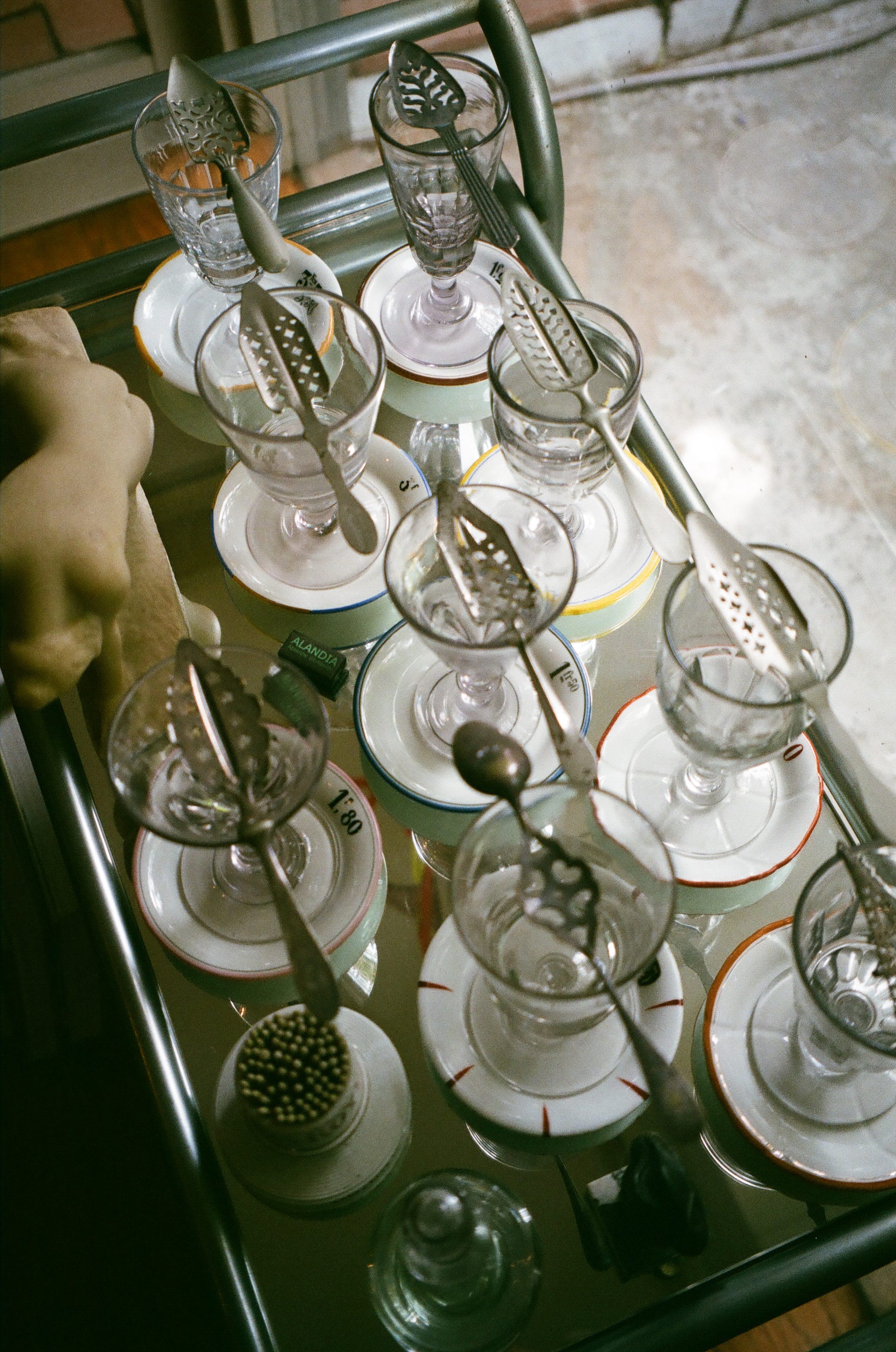
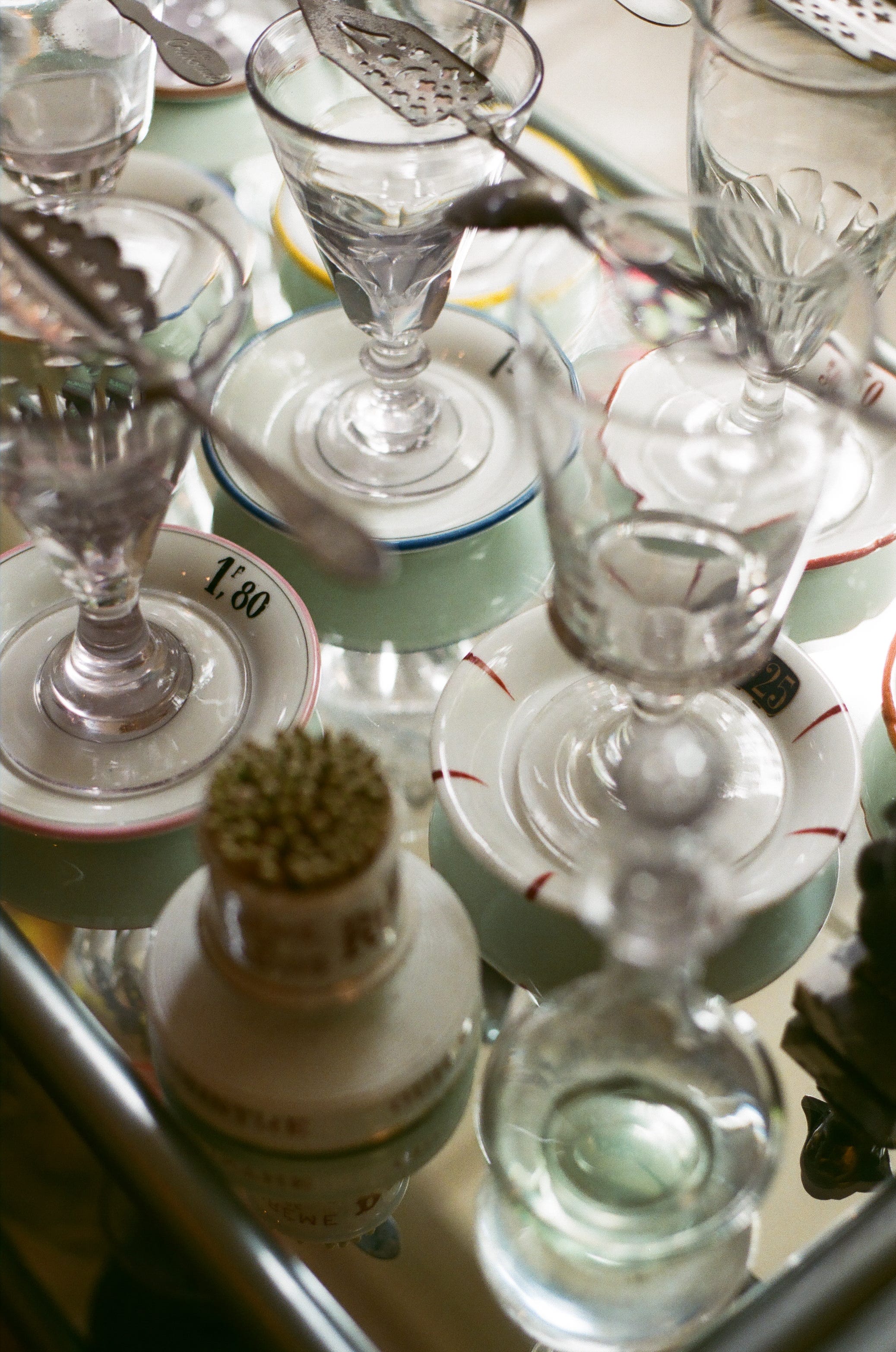
Stories of “absinthe madness” and “absinthe rage” became widespread during the spirit’s heyday, but modern research suggests these reports were more likely linked to excessive alcohol consumption than to the wormwood. However, it wasn’t really the fact of the wormwood causing mind altering delusion, it was people were getting way too drunk.
And you know, some people are bad drinkers.